Lyme Disease on the rise in Ohio
Lyme Disease on the Rise in Ohio
According to a release from the Associated Press, the State of Ohio is seeing a shocking increase in the number of deer ticks that can carry Lyme disease. It is unclear what has caused this increase, though researchers suspect one factor is favorable weather conditions that helped more of the tick population survive. Another, more likely reason, is the overpopulation of the white footed mouse in the state, which is also a result of the unusually warm winters of 2011 and 2013. More than 1,800 black-legged ticks were found on deer heads collected from hunters last year, and 183 more submitted to the state for identification were confirmed, compared with 29 found on deer heads the year before and 45 that were submitted and confirmed, according to the Ohio Department of Health. The ticks, some carrying Lyme disease, have especially shown up in eastern and southern Ohio.
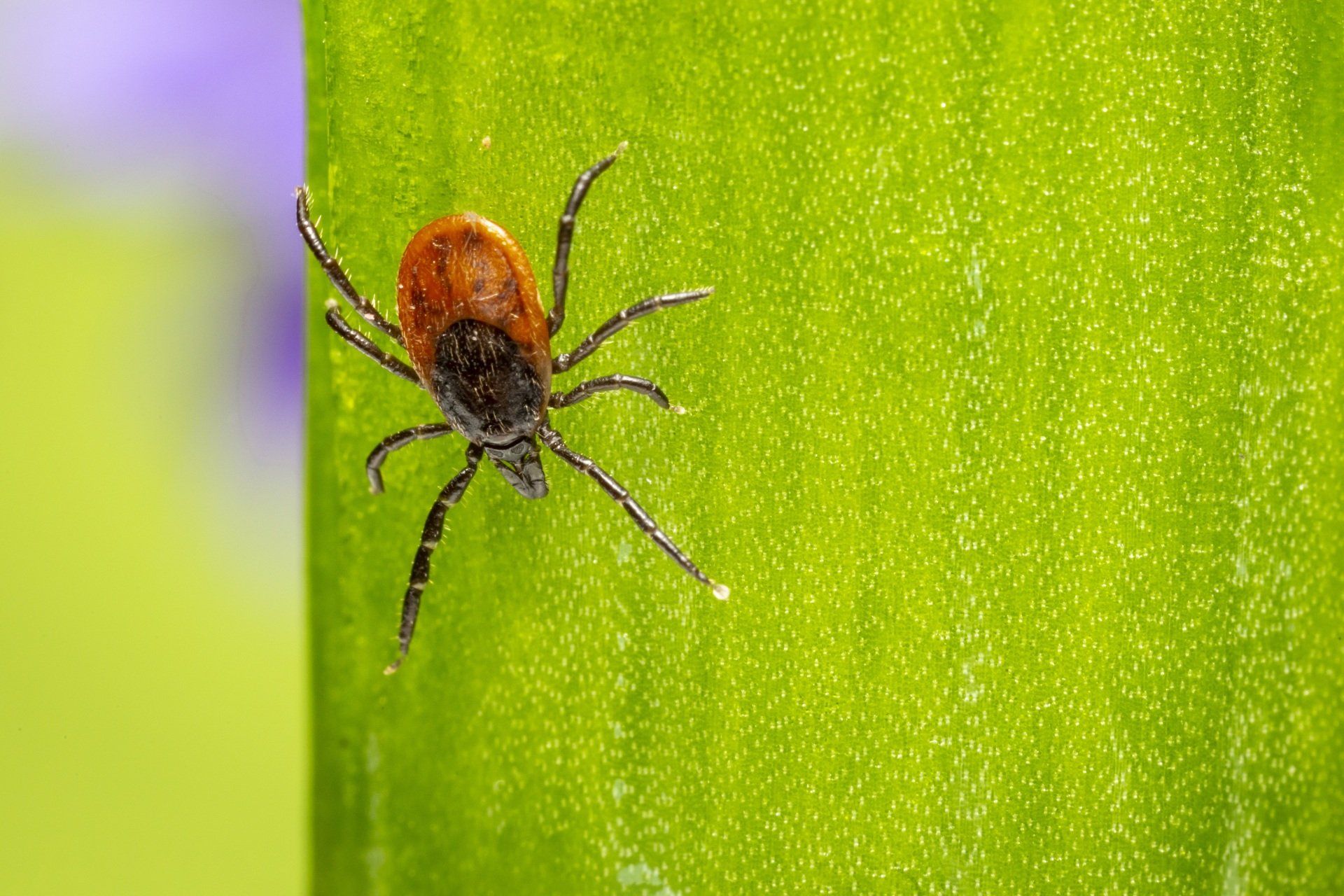
Ticks are small, eight-legged parasites that must drink blood in order to survive and reproduce. Ticks don’t fly and they can’t jump (unlike fleas). In fact, ticks are more closely related to spiders and mites than to “insects” like fleas. Ticks can feed on a variety of hosts including birds, dogs, cats and people. Despite a very popular myth, ticks do not fall or jump out of trees onto a host. However, ticks can climb, and they tend to attach themselves to shrubs and blades of tall grass. When a host walks by and brushes against the grass or shrub where the tick is waiting, the tick climbs onto the host. Once on a new host, the tick eventually finds a location to attach and feed.
Lyme disease is a bacterial infection spread through the bite of a black-legged tick. The black-legged tick picks up the bacteria when they bite mice or deer that are infected with Lyme disease. In most cases, a tick must be attached for 24-36 hours to spread the bacteria to the blood of the host. This means that if you check your pets and yourself daily, you have a chance of finding and removing any ticks before they can transmit Lyme disease. However, the black-legged tick is so small that detection within this time period is highly unlikely.
Do’s and Don’ts of tick removal:
- Do grasp the tick firmly with tweezers as close to the head as possible.
- Do pull the tick straight out with a steady, even pressure.
- Do disinfect the site of the bite and wash your hands.
- Do preserve the tick in alcohol for proper classification. Don’t twist or jerk the tick.
- Don’t use petroleum jelly, grease, a hot match or other methods that may irritate skin or cause other injuries to you or your pet. When in doubt ask your physician or veterinary care team for assistance removing the tick.
What do I do if my pet or I have been bitten by a tick?
Call your healthcare provider if you have: a large, red, expanding rash that may look like a bull’s eye or develop weakness, numbness, or tingling, or heart problems. Call your veterinarian if your dog exhibits the following symptoms: lameness, a stiff walk with an arched back, sensitivity to touch, difficulty breathing, fever, lack of appetite and depression.
How can you keep yourself and your pet(s) safe from ticks?
Keeping your pet out of wooded or bushy areas, tall grass and leaf litter is a good way to reduce the exposure. Spraying all exposed skin and your clothing with insect repellant and walking in the center of trails can reduce the risk. However, this can be difficult for many pet owners, especially if they share an active outdoor lifestyle with their pet. Effective flea and tick control products can be used on pets to help protect them from ticks. Your veterinarian can recommend a safe and effective product for your furry friend. Some of our favorite products are Bravect, Credelio, Simparica, and Vectra 3d. If you feel that your dog is at significant risk talk to your veterinarian about including a vaccination for Lyme disease to your dog’s annual preventative vaccinations. If you are not sure if your dog is at risk, talk it over with your veterinarian who can do a risk assessment and recommend the best preventive care for your dog.
What about cats?
Cats are less likely to be diagnosed with Lyme disease. However, there are still reasons to be concerned about your cat coming in contact with ticks. If a cat is heavily infested with ticks, the parasites can drink enough blood to cause anemia (severe blood loss). Keeping your cat indoors reduces the risk of your cat bringing ticks inside to you and your family.
Be cautious but do not be alarmed, most people who are bitten by a tick do not get Lyme disease. If diagnosed in the early stages, Lyme disease can be cured with antibiotics. Without treatment, complications involving the joints, heart, and nervous system can occur. However, these symptoms are still treatable.
Article by Dr. Jeffrey R. Fink